
The Power of Creativity and Art Therapy in Holistic Grief Support
Did you know that creativity and art are powerful tools in supporting grief and trauma from a holistic approach?
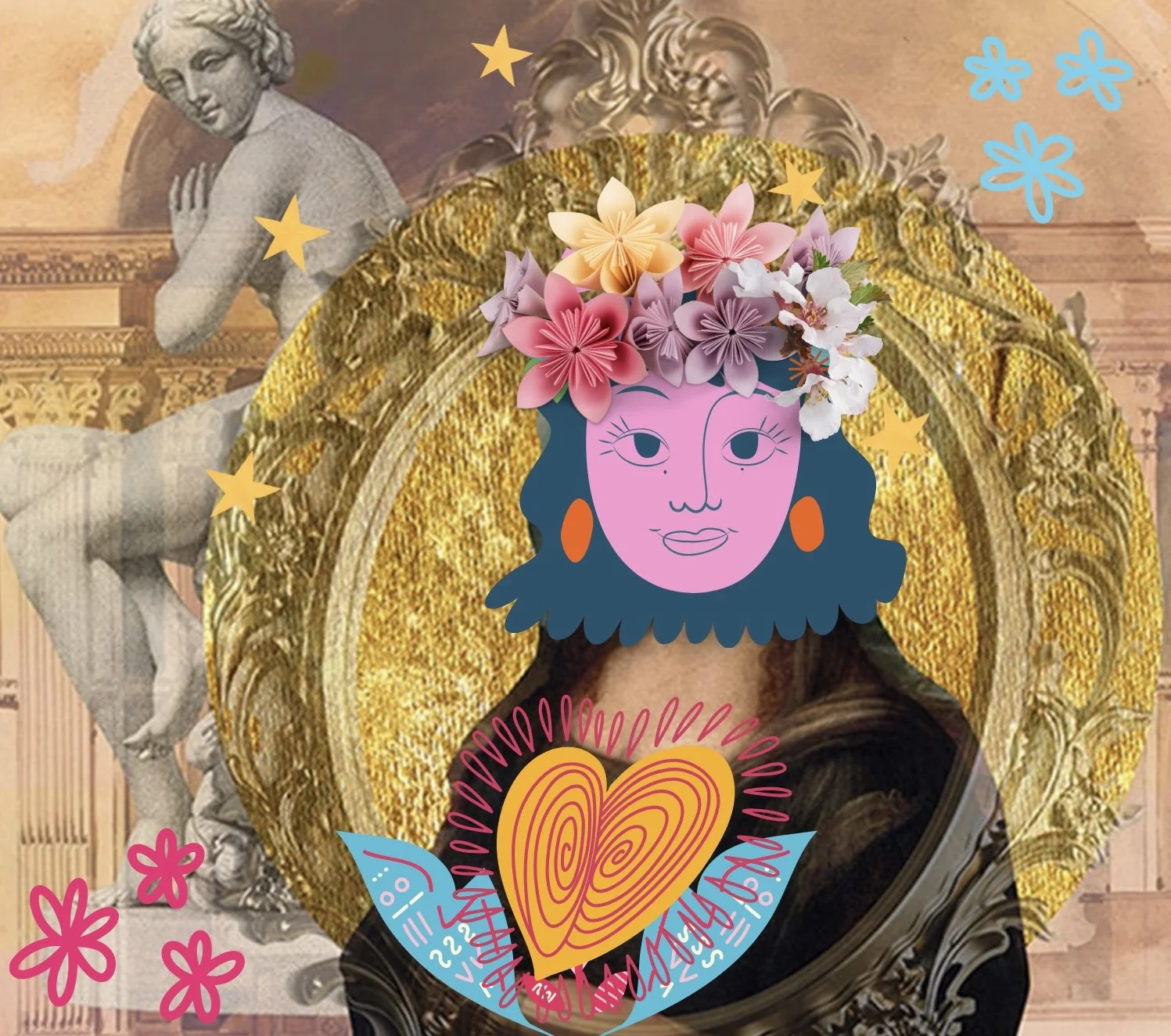
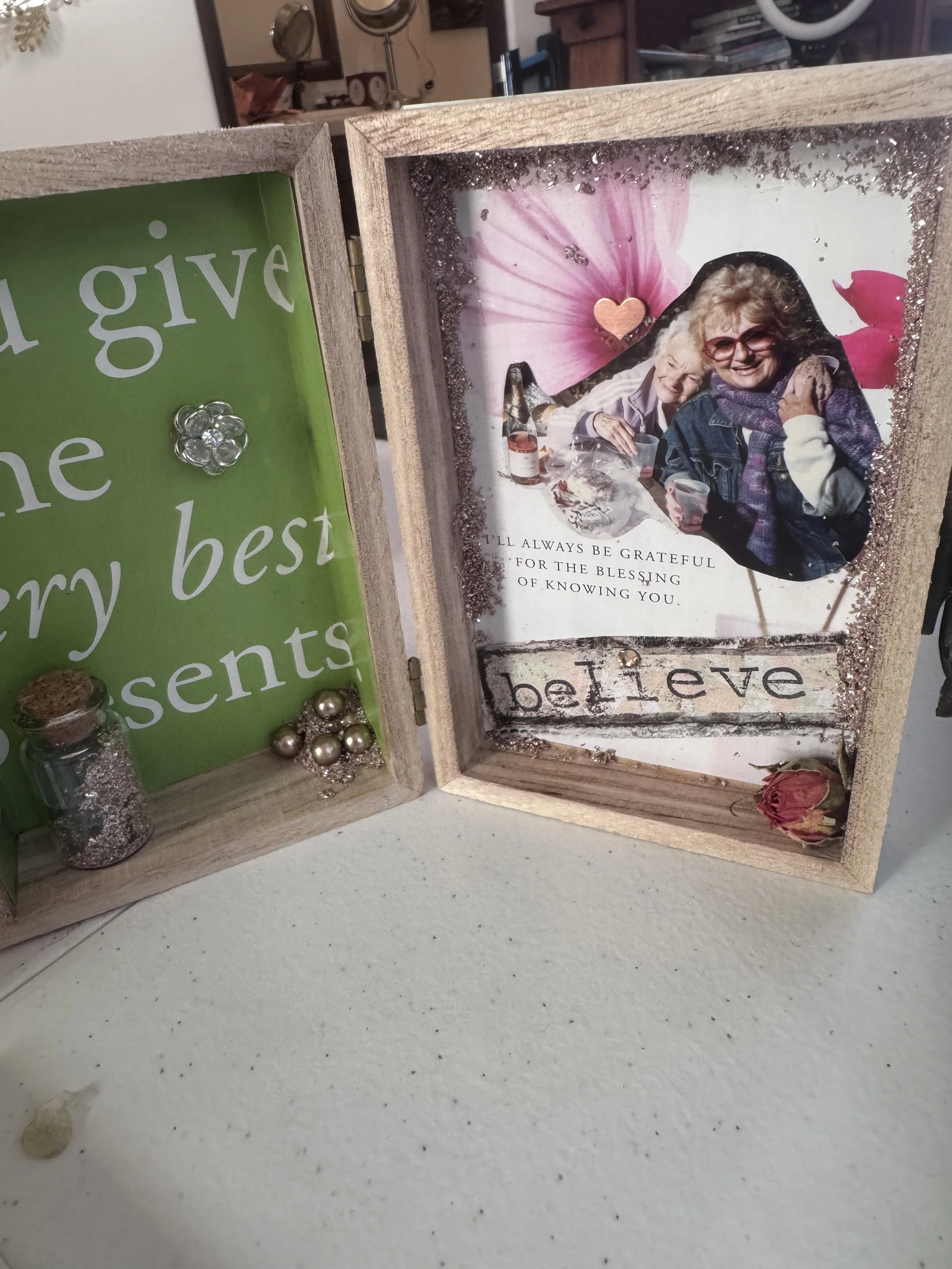
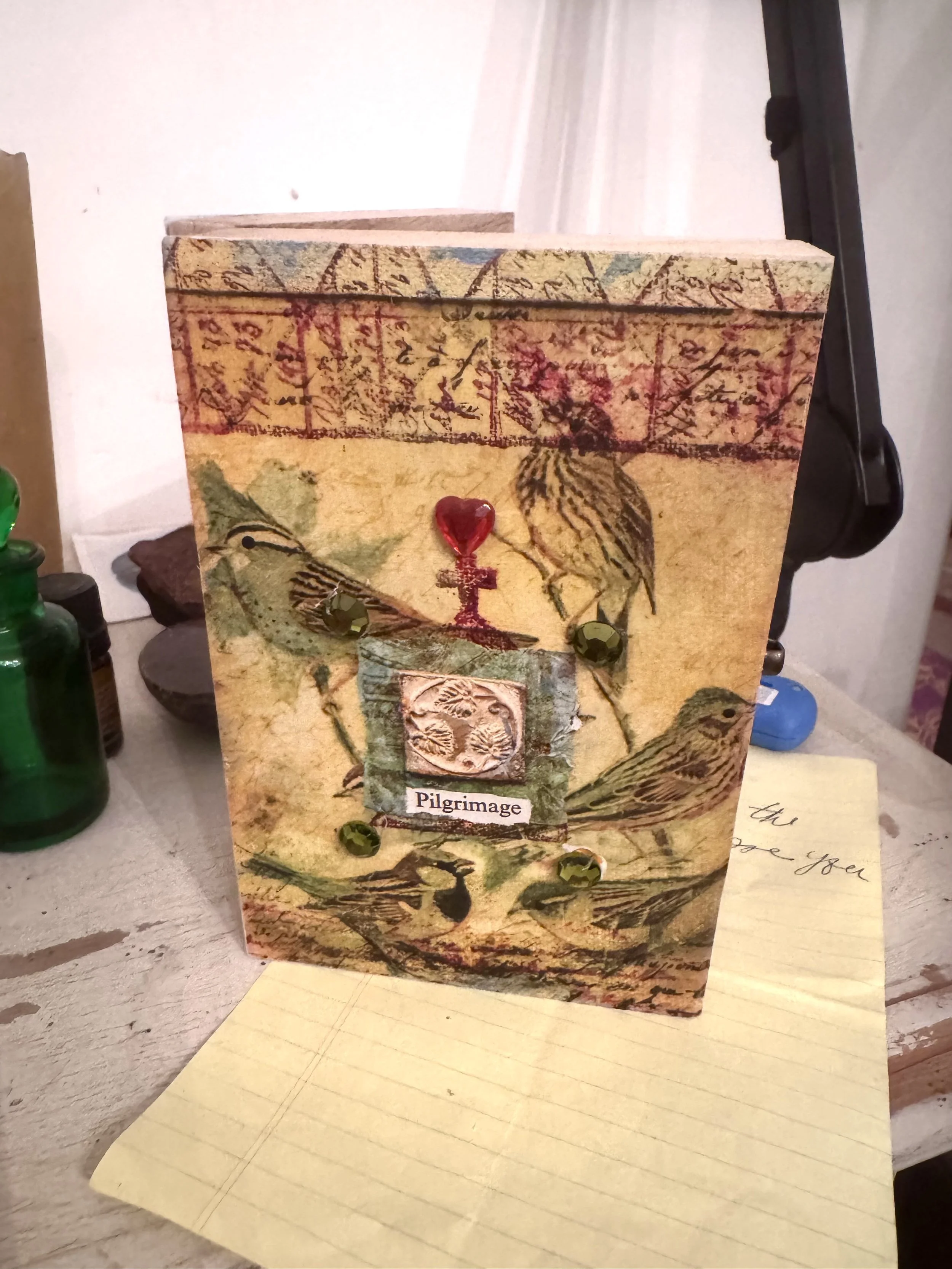
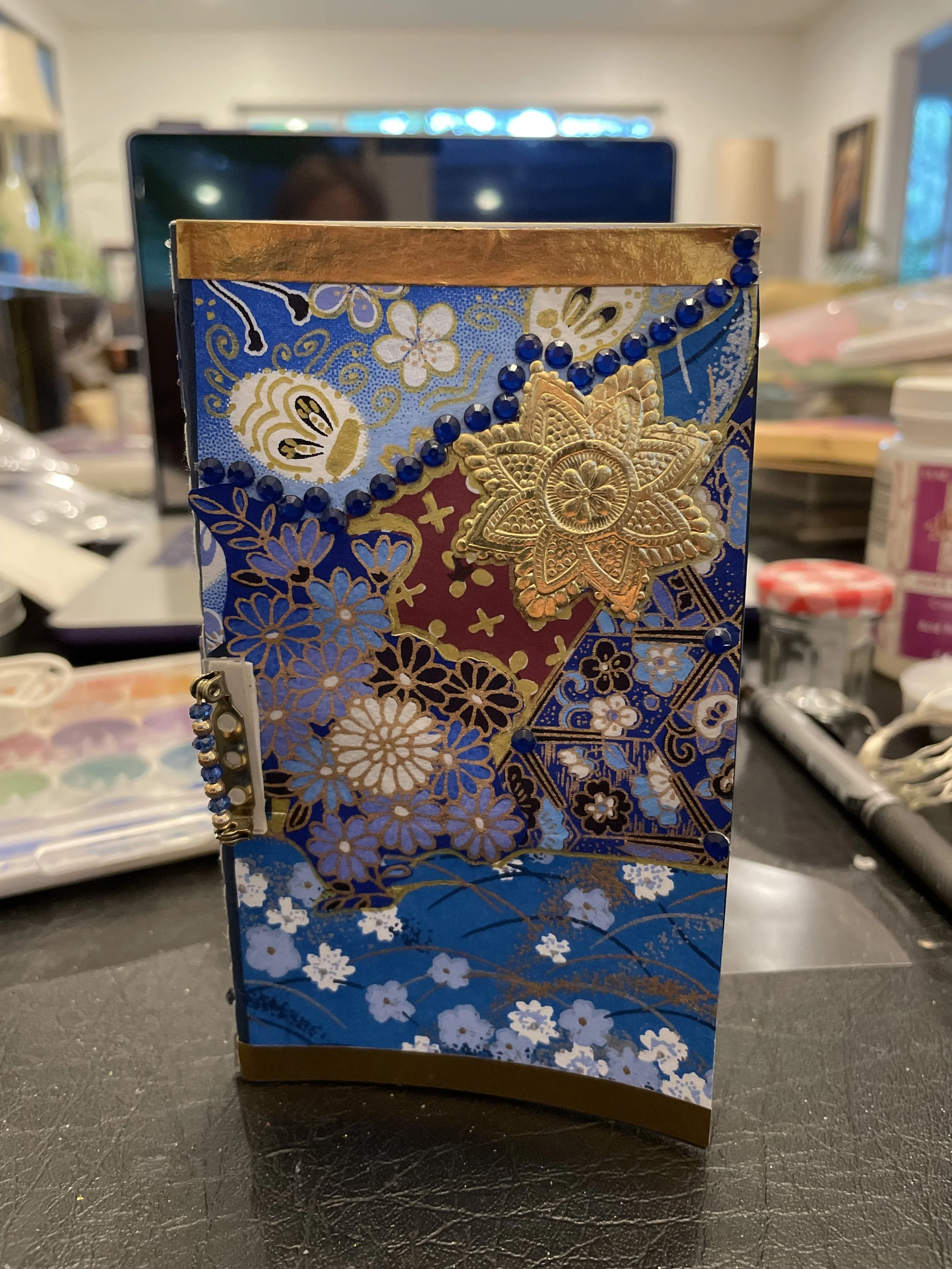
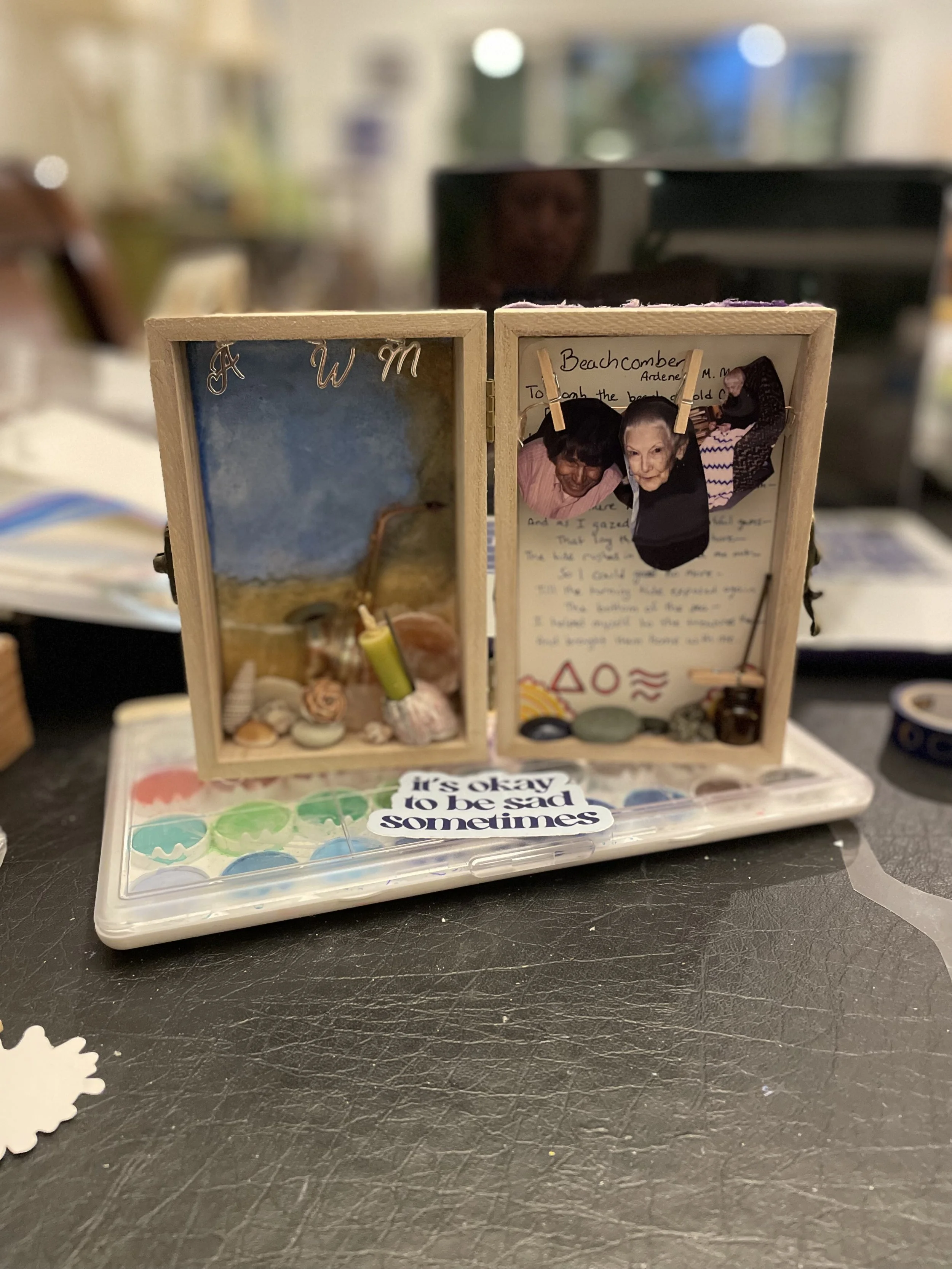
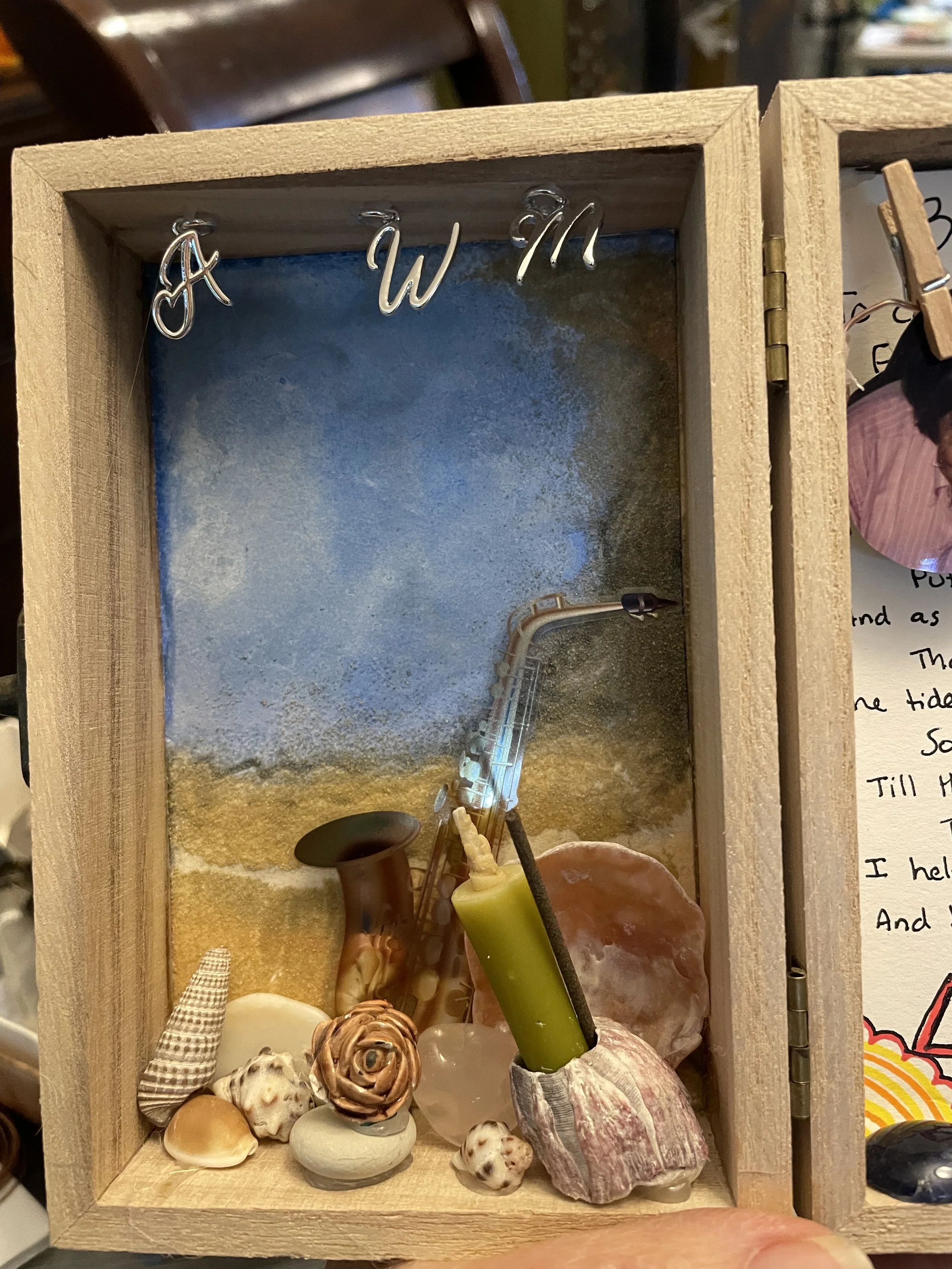
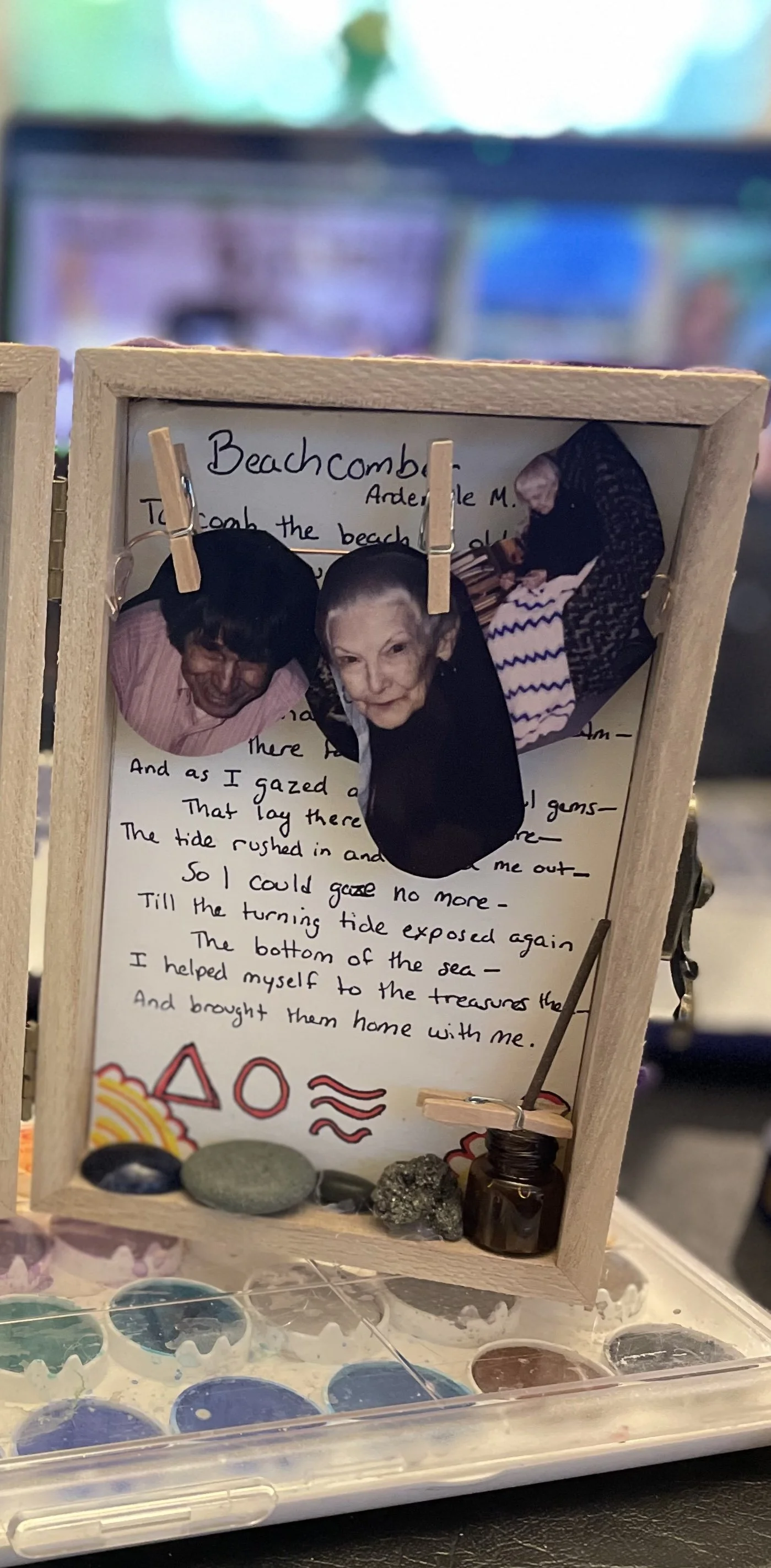
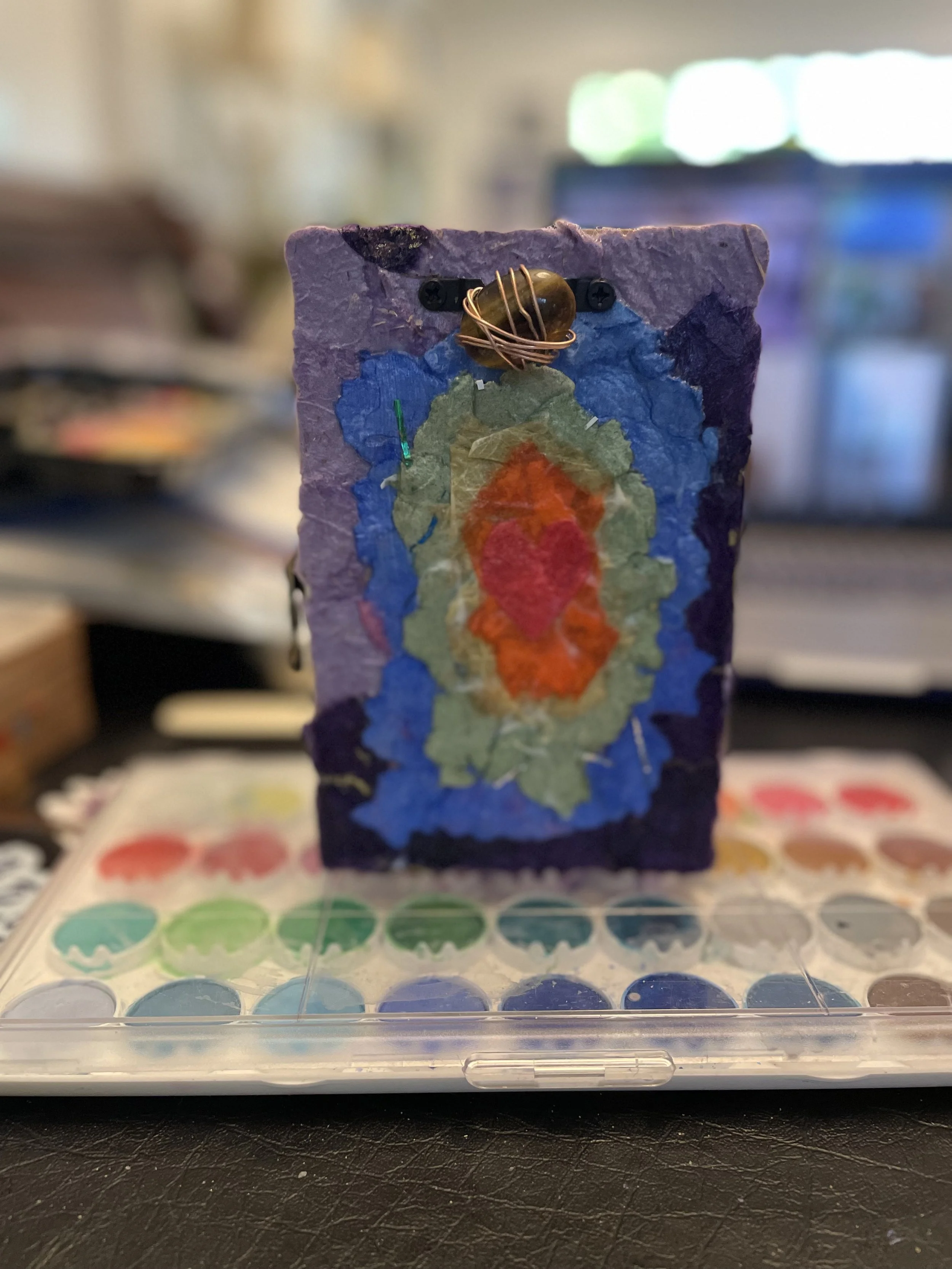
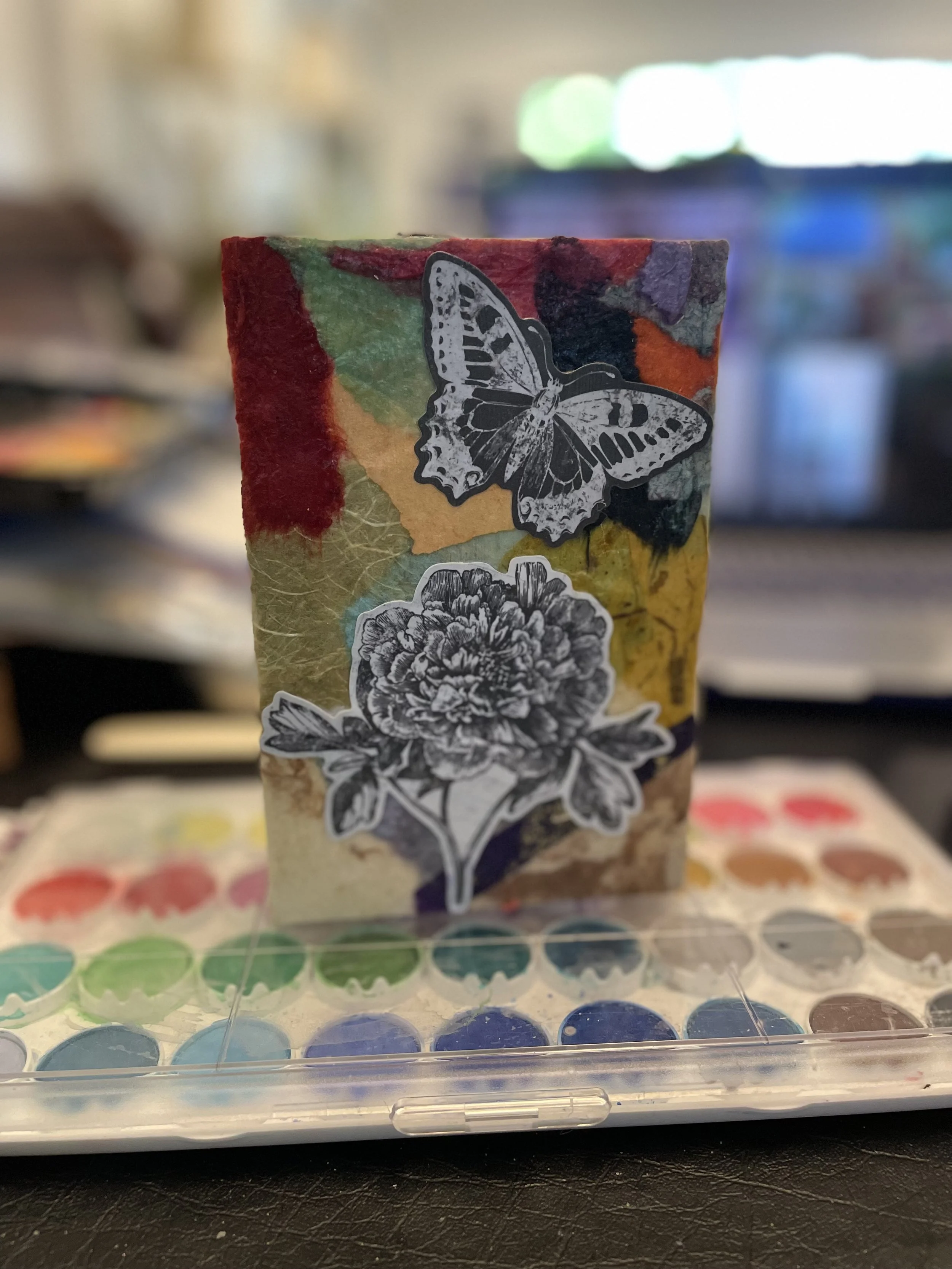
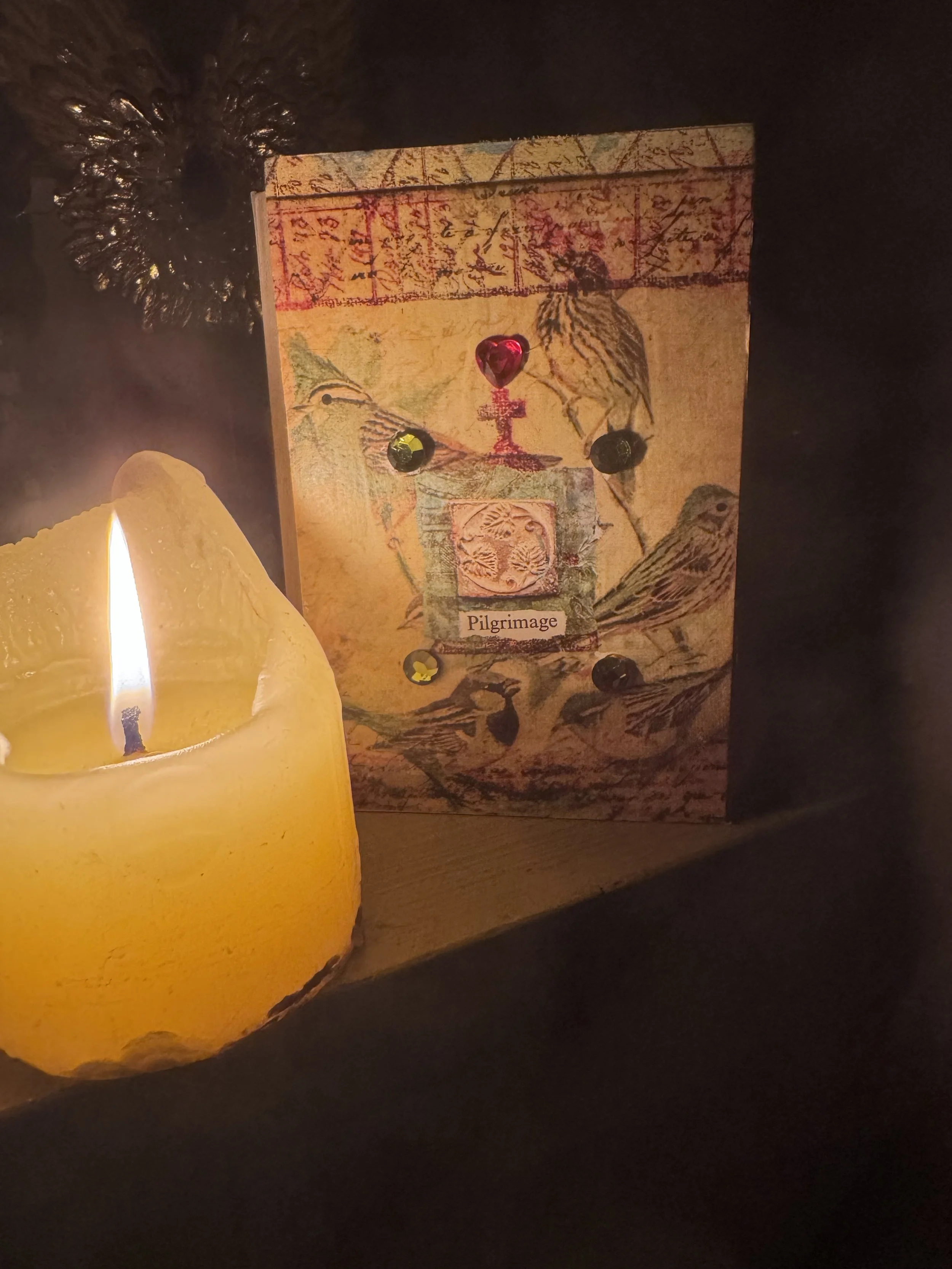
Even simple art projects like collaging or making a travel altar [below] activate numerous channels that help build support, express and regulate emotions, connect us with love, and find ways to build meaning and even resilience for the long haul that is grieving the loss of a Loved One. And you don’t have to be “good at art” [although we are all Artists] to do them.
The field of NeuroAesthetics shows just how much creating art and allowing creativity to flow through us supports our minds, our emotions, our neural pathways and brain chemistry, and our grief. Learning numerous art therapy techniques is an important part of Mourning Goods’ Holistic Grief Coaching Certification Course.
This particular form of creative expression allows clients to access, identify and even move big feelings (non-verbal, preverbal, and unconscious trauma) in a safe environment allowing what can be the baby steps of moving and transmuting big feelings in a safe pace. Very importantly, it’s never about the end result of what you make. Like life, the beauty is in the doing. Whether it’s simple doodling, crafting, collaging, making a mini altar, painting a lifeline, or writing a beautiful story about a Loved One’s life, see what happens inside your heart when you try out some art therapy and allow yourself to create without judgment.
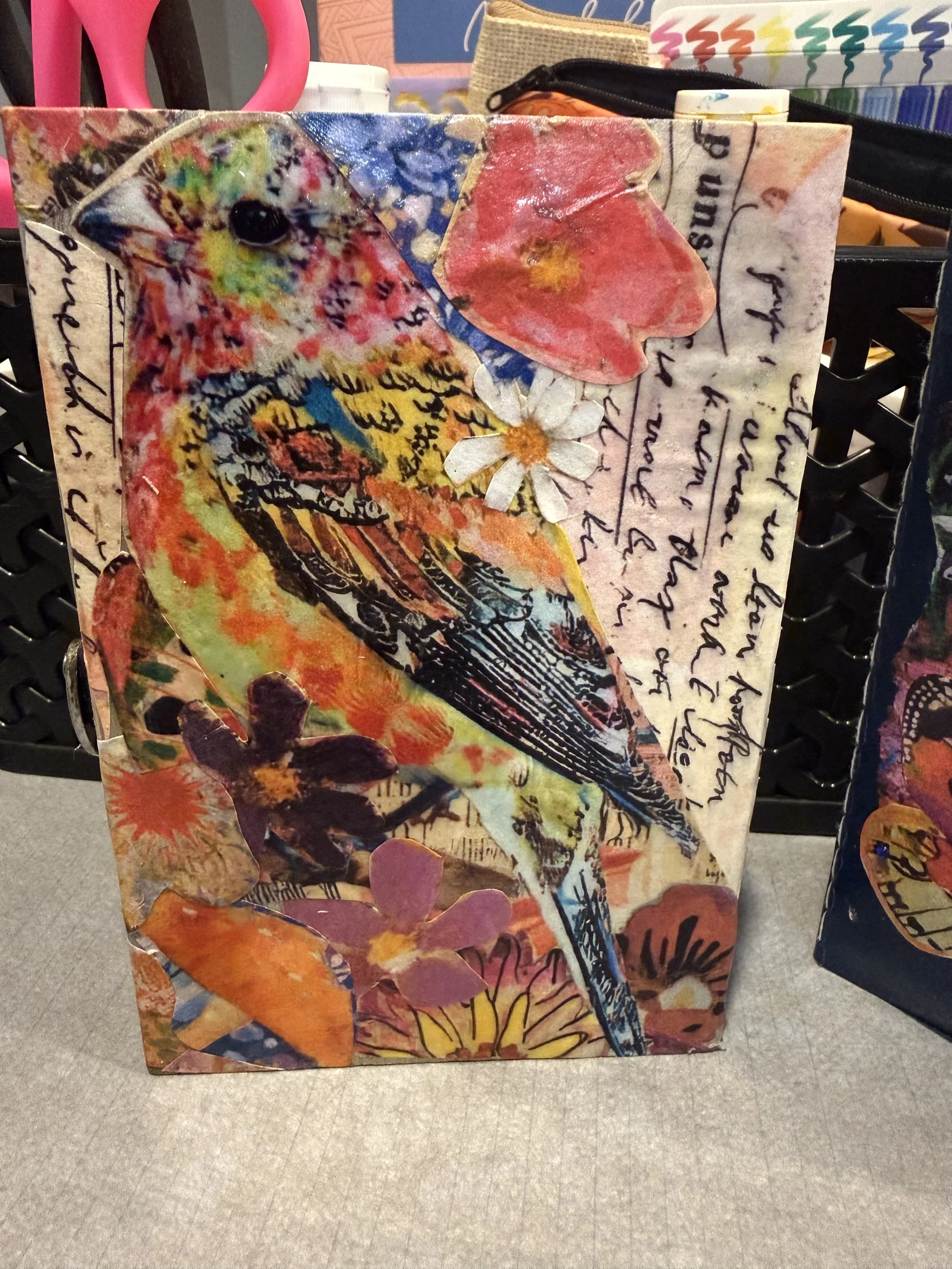
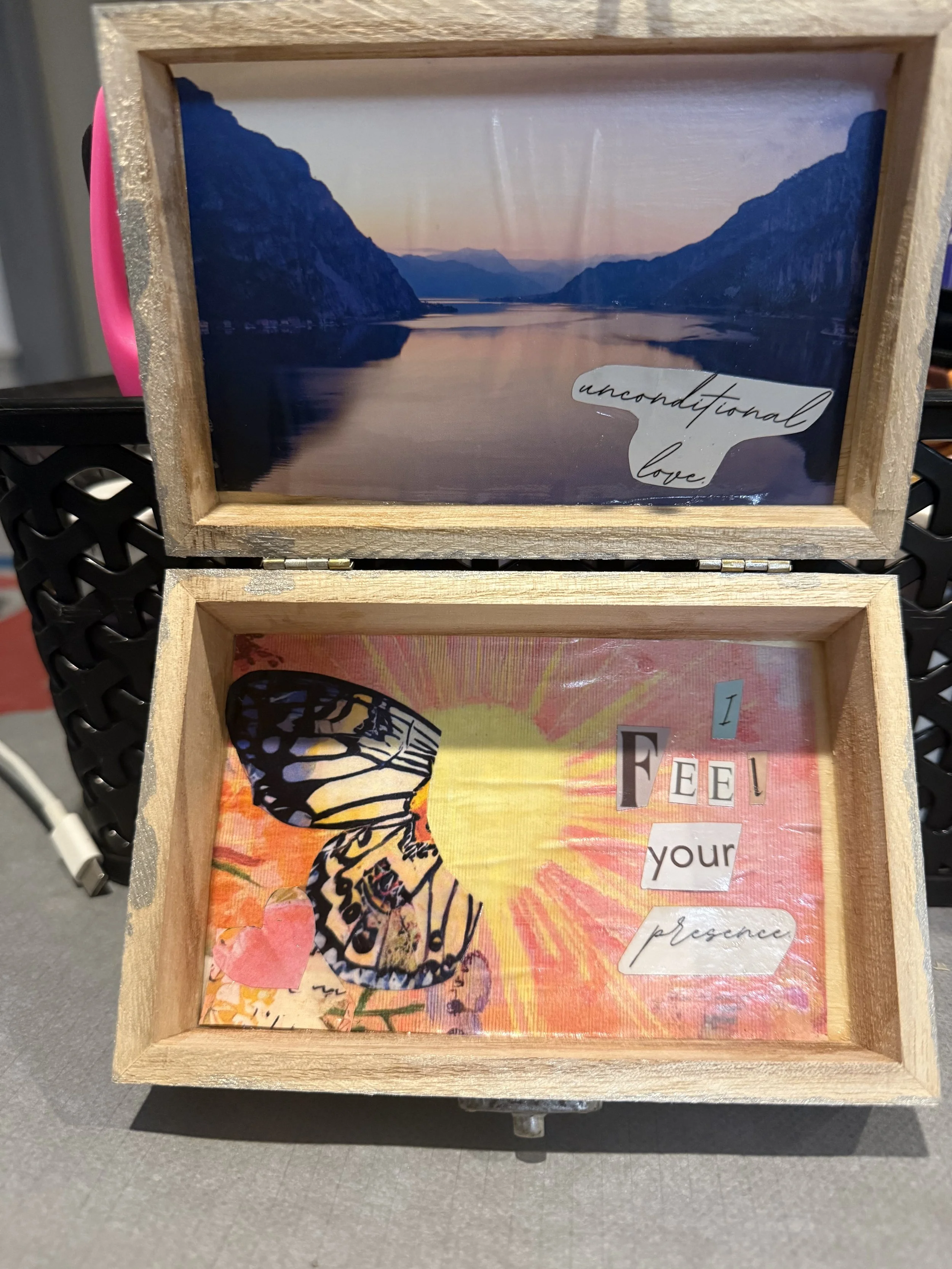
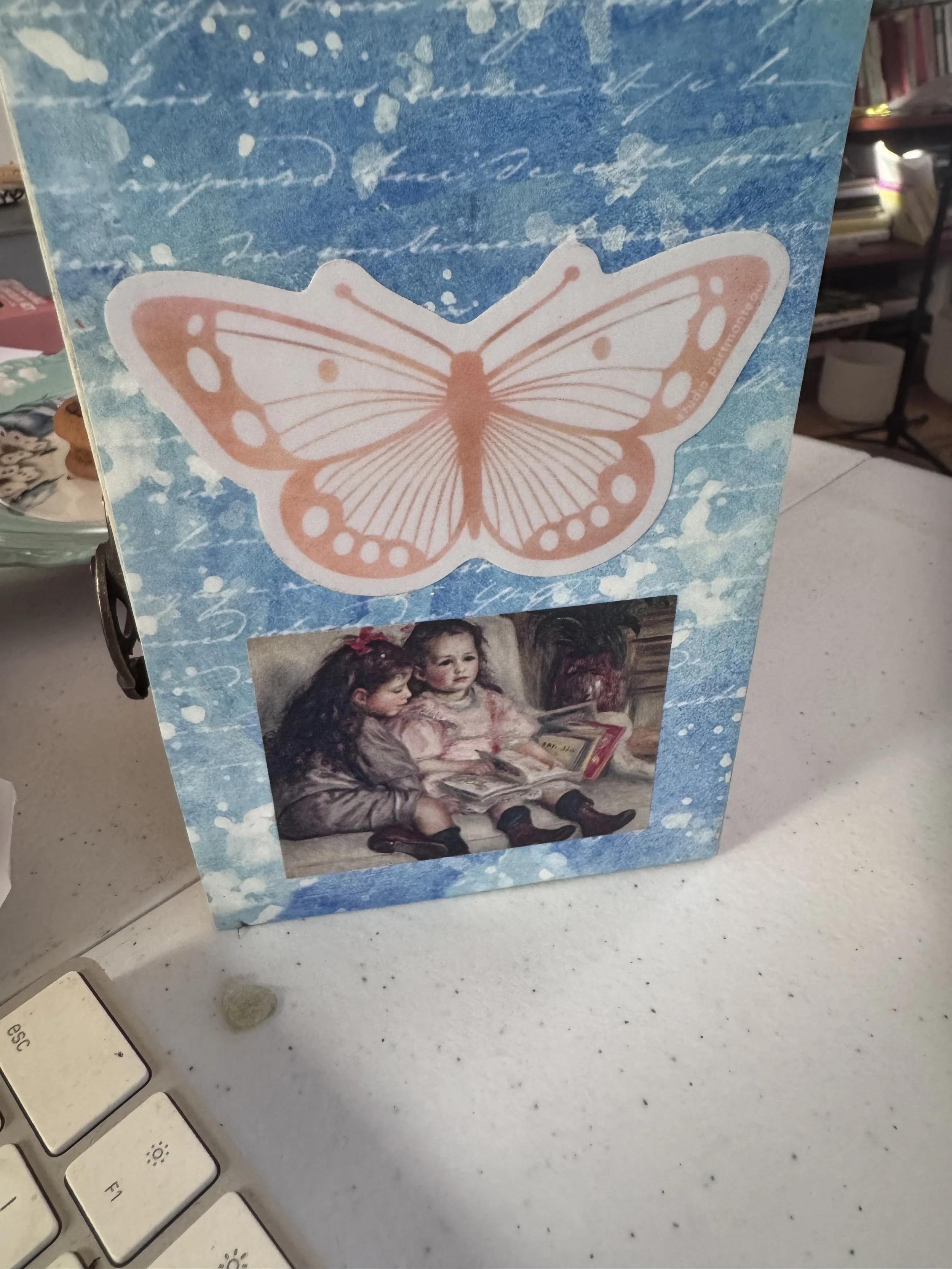
Check out some of our student’s projects from a recent Holistic Grief Coaching Certification Course workshop: “Creativity in Holistic Grief Support” where students learned how to help grief coaching clients with art projects that support grief - like these meaningful and very personal [and so inspiring] travel altars. Art Therapy like this also makes great, low-pressure, workshop or support group projects.
The science proves it
Neuroaesthetics shows that art is not decorative—it is regulatory, integrative, and transformative. Neuroscientists like Dr. Tara Swart are dramatically [and bravely] shifting their fields to understand grief and how the brain needs to navigate it.
From a holistic grief perspective, creativity:
rewires the brain (neuroplasticity)
regulates the nervous system
expresses the inexpressible
reconstructs identity and meaning
reconnects us to something larger than loss - like love
How This Supports Grief (Without Bypassing It)
This science is also very clear in that we never are using art or activity as ways to:
ignore grief
force positivity
or suppress pain
Instead, it supports:
dual processing (grief + restoration)
nervous system flexibility
capacity building that expands our container to be able to hold grief
We never aim to fix pain or replace grief—we use tools like Art Therapy and Creativity to expand the system that holds the pain and the grief.
Neuroaesthetics: Why Art Amplifies This Effect
Art and creativity make positive focus more powerful because they are:
sensory (felt in the body)
emotional (deeply experienced)
and meaningful (personally relevant)
This creates stronger neural encoding than just thinking alone does. Drawing, doodling, coloring, writing, singing, collaging, painting, sculpting, creates a deep sense of safety and gratitude that offers a mild activation. Creating something deeply meaningful that honors our Loved Ones [like a travel altar!] creates a multi-network activation and deeper wiring for safety and connection with life and love and our Loved Ones.
The brain changes based on where attention goes Repeated focus creates lasting neural pathways Positive or meaningful focus expands capacity, not denial